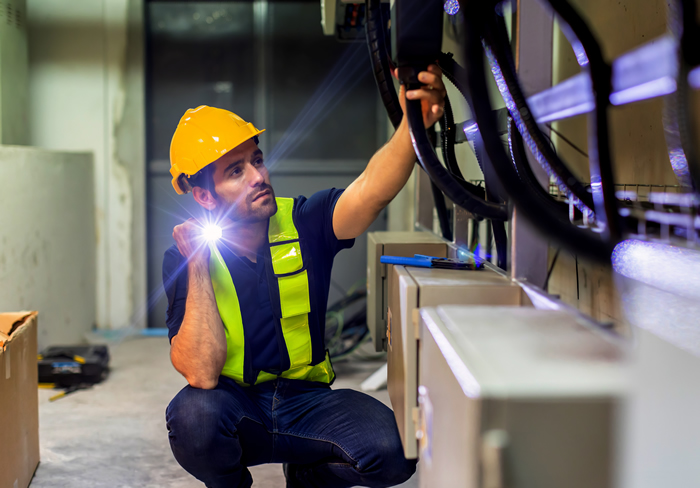
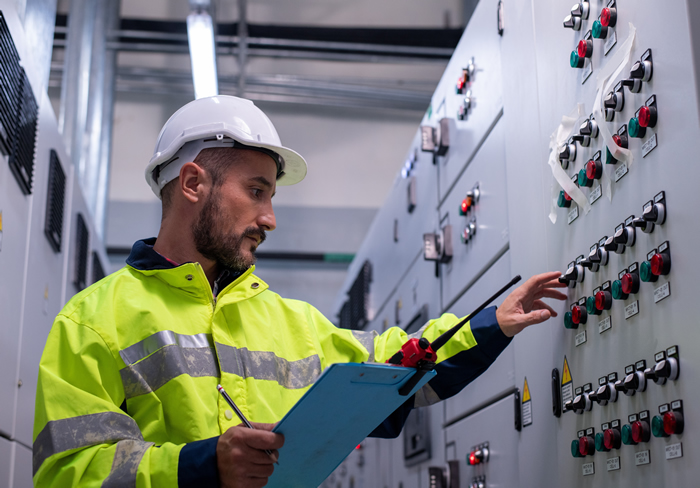
Protection of Low Voltage Power Systems
Select and set LV protection that clears faults and keeps people safe.
Course Schedules
Training Course Overview
Protection of Low Voltage Power Systems is a five-day course on protecting LV installations. Day one covers LV system architecture and common faults.
Day two deals with circuit breakers, fuses and relays and where each is used, and day three with detecting and isolating faults. Day four covers protection standards and compliance, and day five automation and remote monitoring.
It sits within our power and electrical engineering training courses, and related topics are covered in our industrial and occupational safety training courses.
Delegates who complete the course receive an Anderson Certificate of Completion. Anderson is ISO 9001:2015 and ISO 29993:2017 certified and holds KHDA Educational Services Permit 62136 in Dubai.
Training Course Objectives
Protection of Low Voltage Power Systems Course objectives focus on developing technical expertise in system protection, safety practices, and fault management. Participants will learn how to design and implement effective protection strategies for reliable operation.
By the end of this training course, participants will be able to:
- Understand the design and components of low voltage power systems
- Apply protection strategies to prevent faults and improve system reliability
- Select and configure protective devices such as circuit breakers and relays
- Implement safety standards for installation and operation
- Diagnose faults and enhance system performance using best practices
Designed for
Protection of Low Voltage Power Systems Training Course is designed for professionals involved in the design, maintenance, and supervision of electrical systems. It supports individuals seeking to improve safety, compliance, and operational efficiency in low voltage networks.
This training course will benefit:
- Electrical engineers, technicians, and contractors working with LV systems
- Safety officers and compliance specialists responsible for electrical safety
- Maintenance professionals in industrial, commercial, and residential sectors
Learning Methods
Protection of Low Voltage Power Systems Course uses a practical and interactive learning approach to ensure participants gain both theoretical knowledge and applied skills. The training course combines expert instruction with real-world applications to enhance understanding.
Participants will engage in instructor-led sessions covering protection principles, device coordination, and fault analysis. Group discussions encourage the exchange of experiences and solutions to common challenges in low voltage systems.
Case studies and practical exercises allow participants to explore fault detection, device selection, and compliance requirements. The course also introduces modern approaches such as automation and remote monitoring, ensuring participants are prepared for evolving system demands. This approach ensures participants gain the confidence to implement effective protection strategies and maintain safe, reliable electrical networks.
Course Content
Fundamentals of Low Voltage Power Systems
- Overview of LV system architecture
- Common challenges in LV networks
- Importance of protection systems
Protective Devices and Their Applications
- Circuit breakers, fuses, and relays in LV systems
- Device coordination and settings optimization
- Case studies on effective device deployment
Fault Detection and Mitigation
- Techniques for identifying and isolating faults
- Tools for fault analysis and resolution
- Examples of fault mitigation in LV systems
Adherence to Safety Standards
- Overview of relevant LV protection standards
- Ensuring compliance in installation and operation
- Practical applications of safety guidelines
Advanced Protection Strategies
- Automation and remote monitoring in LV systems
- Integrating renewable energy into LV grids
- Future trends in low voltage system protection
The Certificate
- Anderson Certificate of Completion for delegates who attend and complete the training course
In Partnership With


Learn more about this course
Still Have Questions?
Can’t find what you are looking for? Contact us and we’ll be happy to assist you with course details, corporate bookings, or technical support.