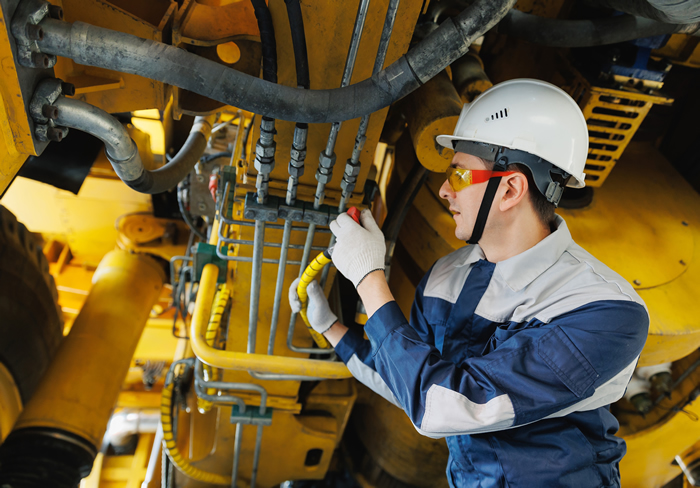
Industrial Hydraulic Systems: Operation, Maintenance and Troubleshooting
Improving Performance via Effective Operation, Maintenance & Hydraulic Fault Diagnosis
Course Schedules
Training Course Overview
Industrial Hydraulic Systems Training Course modules deliver essential technical expertise required to ensure peak performance across plant, manufacturing, marine, and mobile machinery applications. Hydraulic power transmission provides precise control of force, speed, and movement, yet overall reliability relies heavily on proper operating conditions. Factors like fluid degradation, particulate contamination, excessive heat, incorrect settings, and internal leakage routinely threaten system efficiency and lead to costly downtime.
This comprehensive Hydraulic Systems Maintenance training equips professionals with actionable skills to operate, inspect, and maintain modern hydraulic setups effectively. Participants explore core principles of pressure and flow while examining pumps, actuators, control valves, accumulators, filters, and auxiliary components.
Through focused study on hydraulic schematic interpretation, safe operation protocols, contamination control, and systematic diagnosis, delegates learn to identify early failure signals and apply appropriate test equipment. Master root-cause analysis techniques to eliminate recurring failures, optimize energy efficiency, lower operating costs, and ensure maximum reliability.
Training Course Objectives
Industrial Hydraulic Systems Training Course outcomes empower technical teams to eliminate operational errors and maintain continuous system reliability across diverse industrial environments. Key objectives include:
- Master fundamental principles governing hydraulic power, fluid pressure, force, speed, and flow rates.
- Read complex engineering schematics, interpret standardized fluid symbols, and analyze component interactions.
- Implement strict procedures for safe equipment start-up, operational monitoring, isolation, and shutdown.
- Evaluate properties of hydraulic fluids, select appropriate grades, and execute contamination control standards.
- Establish structured preventive and condition-based inspection routines for pumps, valves, and actuators.
- Apply systematic Hydraulic Fault Diagnosis methods using specialized test instruments to identify root causes and execute corrective repairs.
Designed for
This Industrial Hydraulic Systems Training Course caters specifically to engineering professionals, maintenance staff, and operational teams managing complex fluid power machinery across industrial sectors. It equips technical personnel with essential skills to elevate system uptime and maintain rigorous safety protocols.
- Mechanical Maintenance Engineers, Reliability Engineers, and Asset Integrity Specialists
- Maintenance Technicians, Field Service Engineers, and Workshop Personnel
- Plant Operators, Production Supervisors, and Operations Personnel
- Condition Monitoring Specialists and Technical Team Leaders responsible for hydraulic machinery
Learning Methods
Industrial Hydraulic Systems Training Course sessions leverage an interactive, practical methodology that bridges theoretical engineering concepts with real-world plant operations. Learning is reinforced through interactive technical presentations, facilitated expert discussions, and detailed hydraulic schematic analysis. Participants engage in hands-on calculation exercises, practical failure assessments, and real-life industrial case studies. By working through realistic equipment troubleshooting scenarios, delegates build direct connections between fluid cleanliness, maintenance practices, component wear, and total system operational efficiency.
Course Content
Hydraulic Principles and Safe System Operation
- Industrial applications, advantages and limitations of hydraulic systems
- Pressure, force, area, flow rate and velocity relationships
- Pascal’s law and hydraulic force multiplication
- Hydraulic power calculations and system efficiency
- Fluid-flow characteristics and pressure losses
- Hydraulic symbols and schematic conventions
- Essential hydraulic safety hazards and control measures
- Safe start-up, operation, isolation and shutdown procedures
Hydraulic Fluids, Pumps and Contamination Control
- Functions and essential properties of hydraulic fluids
- Fluid viscosity, temperature effects and selection criteria
- Hydraulic fluid classifications and additive packages
- Gear, vane and piston pump operating principles
- Fixed and variable-displacement pump characteristics
- Pump efficiency, pressure, flow and performance assessment
- Causes and effects of cavitation and aeration
- Contamination sources, cleanliness standards and filtration methods
Actuators, Control Valves and Hydraulic Circuits
- Hydraulic cylinder construction, operation and applications
- Single-acting, double-acting and specialised cylinder designs
- Hydraulic motor types, characteristics and selection
- Directional control valves and actuation methods
- Pressure relief, reducing, sequence and unloading valves
- Flow control, check, counterbalance and load-holding valves
- Accumulators, reservoirs, coolers and heat exchangers
- Interpretation and analysis of hydraulic circuits
Inspection and Preventive Maintenance
- Developing a structured hydraulic maintenance programme
- Preventive, predictive and condition-based maintenance strategies
- Routine inspection of pumps, valves, actuators and accessories
- Fluid sampling, oil analysis and cleanliness monitoring
- Filter inspection, condition assessment and replacement
- Inspection of hoses, pipes, seals, fittings and connections
- Leakage prevention and hydraulic seal management
- Maintenance documentation, checklists and equipment history
Fault Diagnosis and Failure Prevention
- Structured hydraulic fault-diagnosis methodology
- Effective use of pressure gauges, flow meters and temperature instruments
- Diagnosing low pressure, low flow and slow actuator movement
- Investigating overheating, excessive noise and abnormal vibration
- Detecting internal leakage, external leakage and pressure instability
- Identifying pump, valve, cylinder and motor failures
- Root cause analysis of recurring hydraulic system faults
- Improving equipment reliability, efficiency and maintenance performance
The Certificate
- Anderson Certificate of Completion for delegates who attend and complete the training course
In Partnership With


Learn more about this course
The course is suitable for mechanical maintenance engineers, reliability engineers, maintenance technicians, field service engineers, plant operators, production supervisors, condition monitoring specialists, and technical personnel responsible for industrial hydraulic machinery and fluid power equipment.
Yes. Participants who successfully complete the Industrial Hydraulic Systems: Operation, Maintenance and Troubleshooting training course will receive a Anderson Certificate of Completion, demonstrating their commitment to professional development and continuous learning. This certificate provides formal recognition of the knowledge and skills gained during the course and can support professional growth and career progression.
Yes. The Industrial Hydraulic Systems: Operation, Maintenance and Troubleshooting training course can be customised and delivered exclusively for organisations seeking a tailored learning solution. Course content can be adapted to address specific business objectives, operational challenges, industry requirements, and organisational priorities. Customised training allows teams to focus on the topics most relevant to their roles while supporting wider organisational development goals.
Participants attending the Industrial Hydraulic Systems: Operation, Maintenance and Troubleshooting training course gain access to valuable industry insights, practical techniques, and internationally recognised best practices. The course helps professionals improve performance, strengthen confidence, broaden their perspective, and develop skills that contribute to both personal and organisational success. It also provides an excellent opportunity to exchange ideas and experiences with professionals from diverse sectors and backgrounds.
No. The Industrial Hydraulic Systems: Operation, Maintenance and Troubleshooting training course is open to professionals from a wide range of backgrounds and experience levels. The course content is structured to provide value to both those who are new to the subject and experienced practitioners seeking to deepen their expertise. While some prior knowledge may enhance understanding of certain concepts, it is not a requirement for participation
The Industrial Hydraulic Systems: Operation, Maintenance and Troubleshooting training course combines practical knowledge, current industry practices, and expert guidance to create a highly relevant learning experience. Rather than focusing solely on theory, the course emphasises practical application, enabling participants to develop skills and approaches that can be implemented directly within their organisations. This balance of knowledge and practical relevance helps participants achieve meaningful and lasting professional impact.
The Industrial Hydraulic Systems: Operation, Maintenance and Troubleshooting training course uses a variety of learning approaches to maximise participant engagement and knowledge retention. These may include expert-led presentations, practical exercises, case studies, group discussions, scenario-based activities, and collaborative learning opportunities. This approach encourages active participation and helps participants translate learning into practical workplace results.
Yes. Industrial hydraulic systems are widely used across manufacturing plants, process facilities, heavy machinery, marine operations, utilities, and other industrial environments. The principles covered are relevant to professionals responsible for operating, maintaining, inspecting, or troubleshooting hydraulic equipment across a broad range of applications.
Still Have Questions?
Can’t find what you are looking for? Contact us and we’ll be happy to assist you with course details, corporate bookings, or technical support.